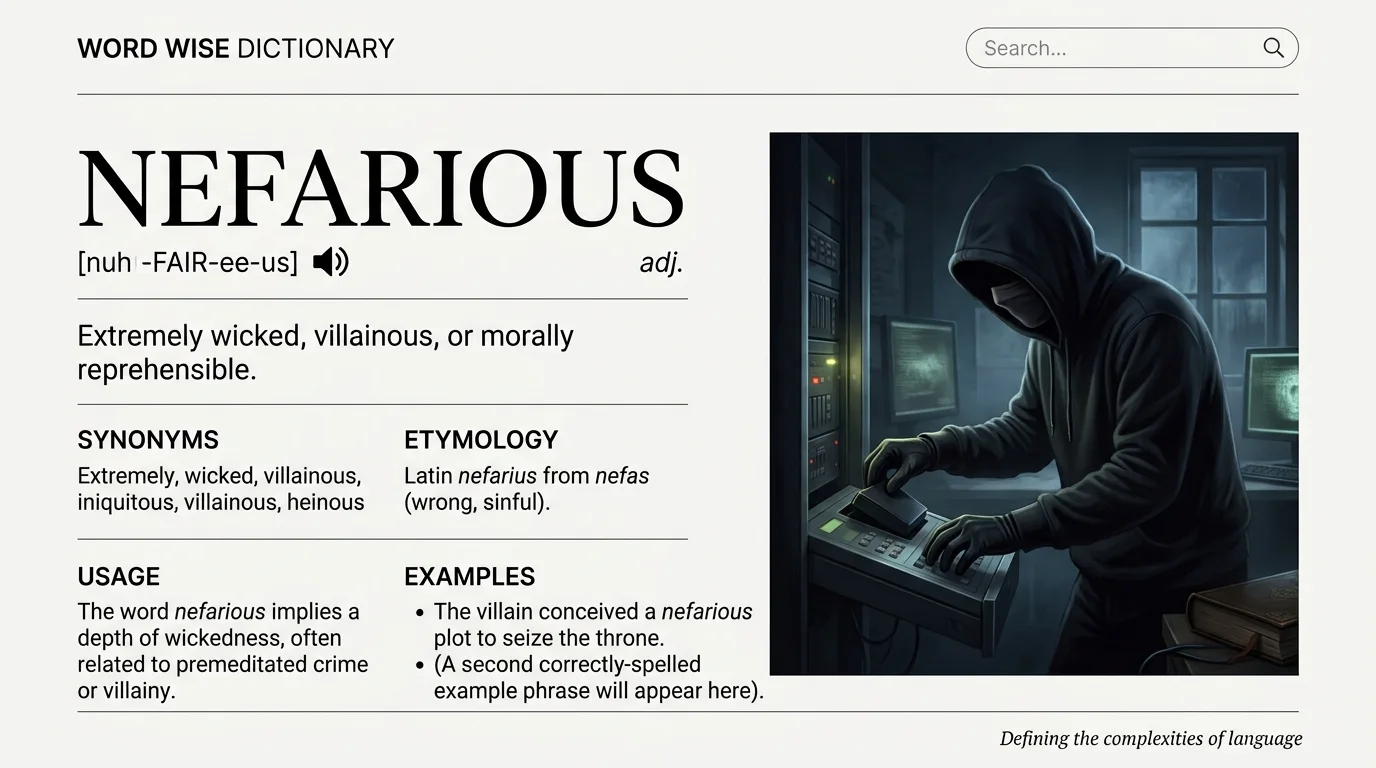
If you have ever read a book or watched a movie where the villain has a “nefarious plan,” you might have wondered what that word really means.
The nefarious meaning is simple: it describes something that is very wicked, evil, or against the law. People use this word to talk about bad actions, bad plans, or bad people.
This article will explain the meaning in easy words, show you how to use it correctly, and give you real examples so you can start using it with confidence.
By the end, you will know exactly when and how to use “nefarious” in your own writing and conversations.
Quick Answer
Nefarious means extremely wicked, evil, or criminal. It is an adjective, which means it describes a noun. You use it to talk about actions, plans, people, or activities that are dishonest, harmful, or against moral and legal rules.
For example, a “nefarious scheme” is a plan that is sneaky and meant to hurt others or break the law. This word is strong. It is not used for small mistakes. It is used for serious wrongdoing.
Meaning or Definition
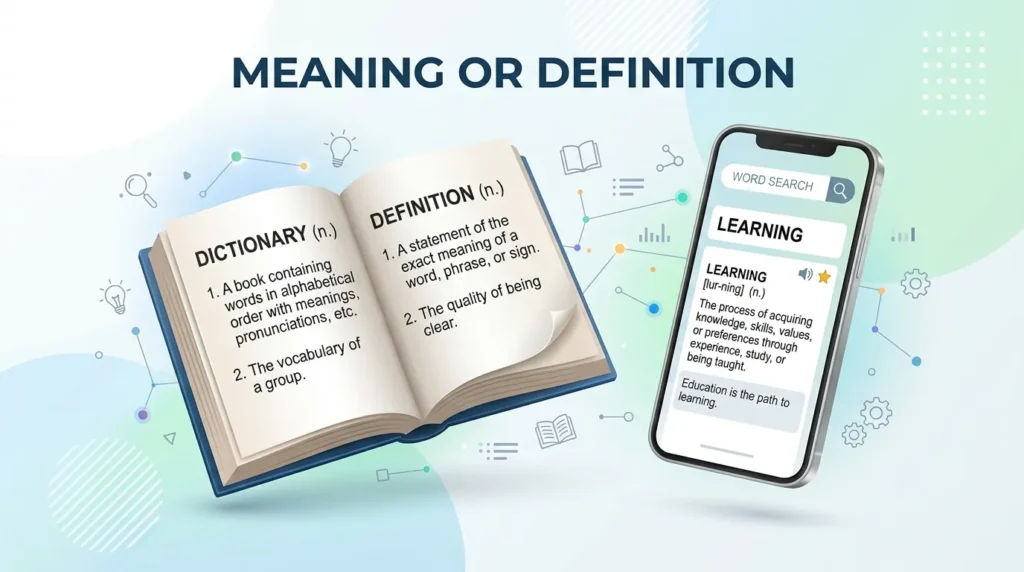
The word “nefarious” describes something that is deeply wrong or evil. It is often used to talk about actions or plans that are secret, dishonest, or dangerous. Dictionaries define it as being extremely wicked or villainous.
When someone calls a plan “nefarious,” they are saying it is not just a little bad. They mean it is truly harmful and often connected to crime or deception.
Here are some simple ways to understand the word:
| Simple Meaning | Example Use |
| Very evil or wicked | “The villain had a nefarious look in his eyes.” |
| Dishonest and harmful | “They uncovered his nefarious business deals.” |
| Criminal or illegal | “The police stopped the gang’s nefarious activities.” |
| Sneaky and dangerous | “Her nefarious plot was finally exposed.” |
Notice that “nefarious” almost always connects to intent. It is not about accidents. It is about actions that someone plans on purpose to cause harm or break rules.
Grammar or Correct Usage
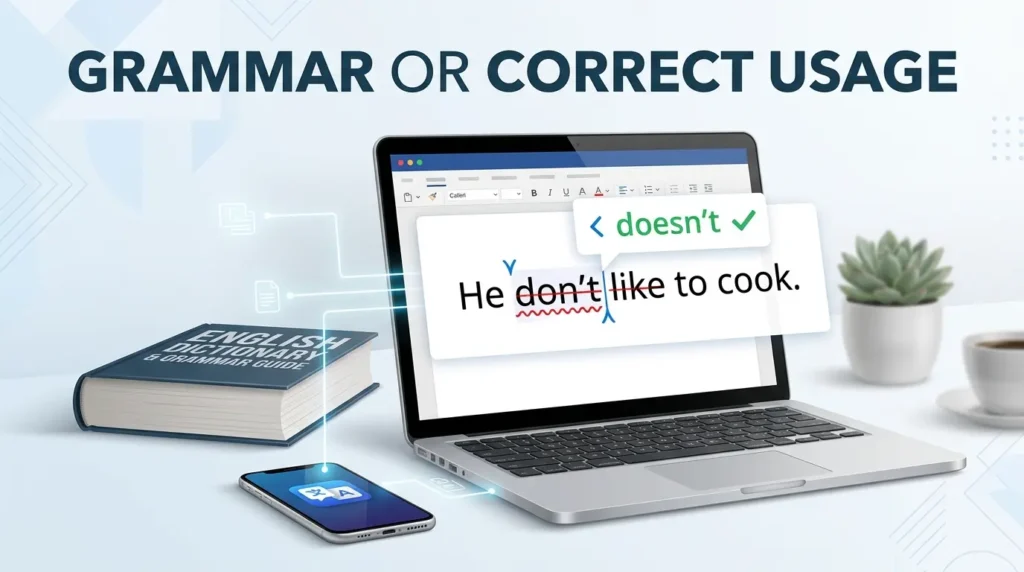
“Nefarious” is an adjective. This means it always describes a noun, such as a person, plan, act, or group. You cannot use it as a verb or a noun by itself. For example, you would not say “He Nefariouses the town.” Instead, you would say “He has nefarious intentions.”
Here are common grammar patterns:
- Nefarious + noun: nefarious plan, nefarious scheme, nefarious activities, nefarious motives
- Be + nefarious: “His actions were nefarious.”
- Adverb form: The adverb is “nefariously.” Example: “He nefariously stole the company’s secrets.”
A helpful tip is to remember that “nefarious” pairs well with words about plans, actions, or people who do wrong things. It rarely describes objects like a chair or a color, because it is about behavior and intent, not physical things.
Pronunciation can trip people up too. The word is said as “nih-FAIR-ee-us.” The stress falls on the second part of the word. Practicing this out loud a few times can help you remember it and use it confidently in conversation.
Origin or History

The word “nefarious” comes from Latin. It comes from the Latin word “nefarius,” which means wicked or impious. That word comes from “nefas,” meaning a crime against divine law or something forbidden by religious or moral rules. Long ago, “nefas” was used to describe actions that broke sacred rules, not just human laws.
Over time, the word moved into English through Latin roots that were common in law and religious writing. By the 1600s, English speakers were using “nefarious” to describe actions that were morally wrong and often illegal.
This history explains why the word still feels serious today. It carries the weight of both legal wrongdoing and moral corruption, which is part of why writers use it for villains and criminals in stories.
Common Mistakes
Many English learners and even native speakers sometimes misuse this word. Here are common mistakes and how to fix them.
| Mistake | Why It’s Wrong | Correct Version |
| Using it for small errors | “Nefarious” means seriously evil, not a small mistake | Use “careless” or “wrong” instead for small errors |
| Misspelling as “nefarous” or “nefarius” | The correct spelling is “nefarious” | Always double-check the “ious” ending |
| Using it as a verb | It is only an adjective | Say “acted nefariously” instead of “nefariousing” |
| Confusing it with “notorious” | “Notorious” means famous for bad reasons, not necessarily evil | Use “nefarious” for wickedness, “notorious” for bad fame |
| Overusing it in casual talk | It sounds too strong for everyday small talk | Save it for serious or dramatic situations |
Being aware of these mistakes will help you use the word correctly and sound more natural when speaking or writing.
Real-Life Examples
Seeing the word in real sentences can help you understand it better. Here are some examples from different situations:
- In news writing: “Investigators uncovered a nefarious scheme to steal millions from if possible victims.”
- In storytelling: “The nefarious wizard planned to take over the kingdom by tricking the young king.”
- In everyday conversation: “I don’t trust him. He always seems to have some nefarious purpose.”
- In history: “Historians describe the nefarious actions of leaders who betrayed their own people for power.”
- In movies: “The film’s nefarious villain manipulates everyone around him to reach his goals.”
These examples show that “nefarious” fits best when talking about serious wrongdoing, whether it is fictional or real. It adds drama and weight to writing, which is why it appears so often in books, news stories, and films.
Current Usage or Trends

Today, “nefarious” is common in news articles, especially when reporting on scams, fraud, hacking, and organized crime. Writers often use it to describe cybercriminals, corrupt officials, or secret plans that harm the public. It is also popular in fiction, particularly in fantasy and superhero stories, where it describes villains and their evil plots.
On social media and in online writing, people sometimes use “nefarious” in a lighter, joking way.
For example, someone might jokingly say their cat has “nefarious plans” to knock things off a table. This playful use has become more common, though the traditional and serious meaning is still the most accepted and widely used version of the word.
Because it sounds formal and dramatic, “nefarious” is a favorite word for headlines and titles. It grabs attention because it promises a story about deception, crime, or evil intentions.
Tips or Best Practices
If you want to use “nefarious” correctly and naturally, keep these tips in mind:
- Use it for serious wrongdoing, not small mistakes or minor rule-breaking.
- Pair it with words like “plan,” “scheme,” “motives,” or “activities” for natural sentences.
- Avoid using it too many times in one piece of writing, since it is a strong word.
- Read it out loud to practice the pronunciation: nih-FAIR-ee-us.
- Use synonyms like “wicked,” “villainous,” “corrupt,” or “evil” when you want variety in your writing.
- Remember that it usually describes intent, not accidents or bad luck.
Using these tips will help you sound more natural and confident when using this word in essays, stories, or everyday conversation.
FAQs
What does nefarious mean in simple words?
It means very evil, wicked, or against the law. It describes actions or people that are seriously bad on purpose.
Is nefarious a positive or negative word?
It is always negative. It is never used to describe something good or kind.
Can nefarious describe a person directly?
Yes. You can say “a nefarious person” or “a nefarious villain” to describe someone with evil intentions.
What is a simple synonym for nefarious?
Common synonyms include wicked, evil, villainous, corrupt, and sinister.
How do you pronounce nefarious?
It is pronounced nih-FAIR-ee-us, with stress on the second syllable.
Is nefarious used in everyday conversation?
It can be, though it is more common in writing, news stories, and fiction because it sounds formal and dramatic.
Conclusion
The nefarious meaning centers on one clear idea: something that is deeply wicked, dishonest, or criminal.
If you are reading about a villain in a story or a real crime in the news, this word signals serious wrongdoing done on purpose. Now that you understand its meaning, grammar, and history, you can use it confidently in your own writing.
Remember to save it for truly serious situations, pair it with the right nouns, and practice its pronunciation. With these tips, you will be able to spot and use “nefarious” naturally, whether you are writing a story, an essay, or just having a conversation about the latest headline.

Hi, I’m Benjamin Dreyer. I enjoy exploring words, phrases, slang, abbreviations, acronyms, and digital communication. At Linkquorax.com, I share simple and accurate explanations to help readers understand unfamiliar terms and popular internet expressions. My goal is to make every meaning clear, useful, and easy to understand. Whether you are curious about a new word or an online phrase, Linkquorax.com provides straightforward information to help you learn quickly and communicate with confidence in everyday conversations.